May 18th, 1864. General Johnston decided it was time to make another stand and decided to set a trap for General Sherman at Cassville. General Johnston sent Hardee’s Corps from Adairsville south toward Kingston along the main road. He sent all the supply wagon and ambulances down the main road to Kingston as well. This was the bait for the trap. They left an obvious sign that a large number men and material had traveled in the direction of Kingston. Johnston then sent Polk’s and Hood’s Corps on a less traveled road toward Cassville.
When Sherman arrived in Adairsville, he fell for the bait and believed that the majority of the Confederate Army had moved toward Kingston. Sherman then ordered Thomas’s Army of the Cumberland to follow the main road to Kingston and sent McPherson’s Army of the Tennessee on another flanking movement that would take him past Barnsley Gardens. Schofield’s Corps was sent toward Cassville with Hooker’s Corps following along Schofield’s right and slightly behind.
Johnston learned of Sherman splitting his forces and prepared to spring the trap on the next morning at Cassville.
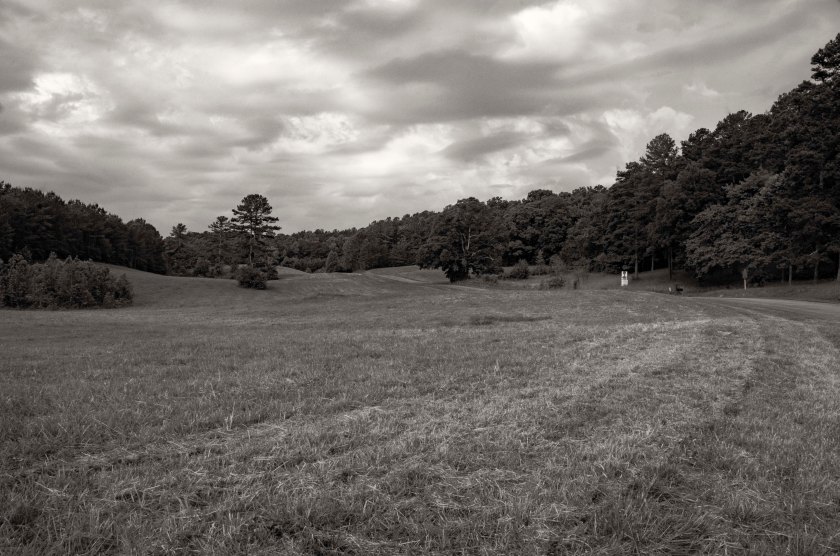
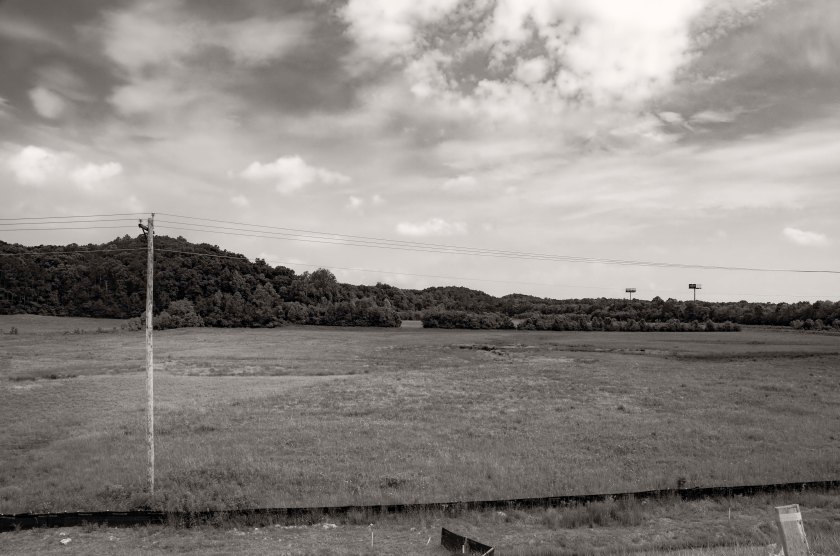
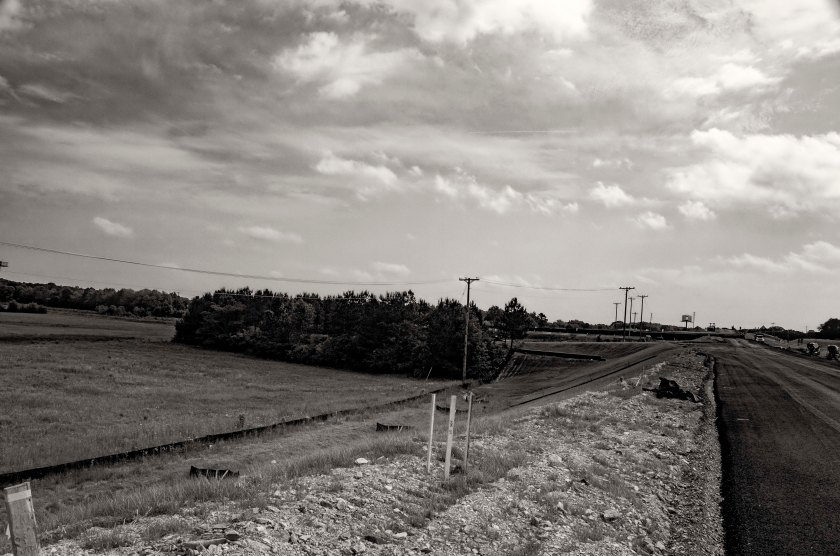
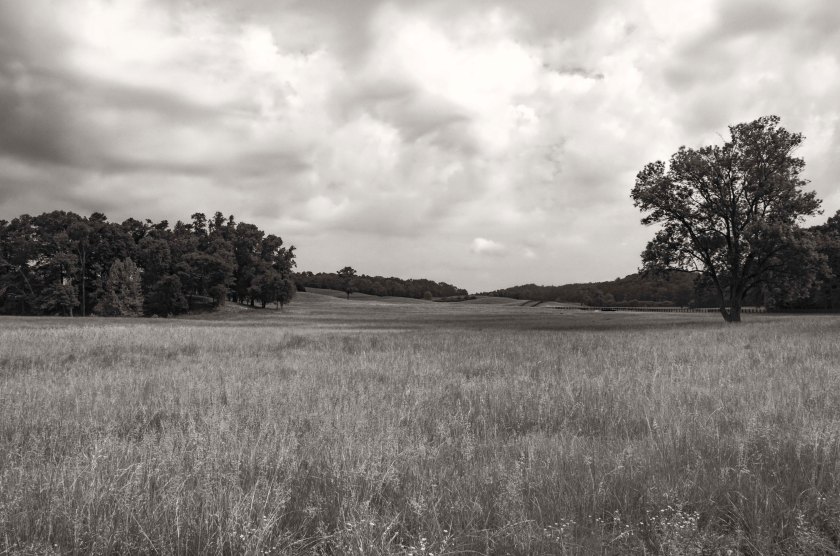
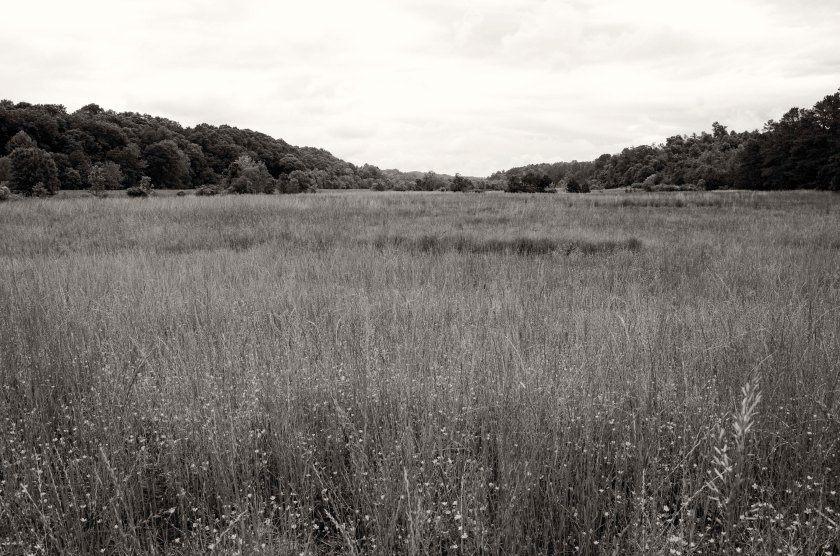
The creek in Oothkalooga Valley. Johnston had intended to make a stand here but later thought the terrain was not to his advantages and thus moved on to find more favorable ground in Cassville.The Federal 4th and 14th Corps moved south along this road in pursuit of the Confederates as they retreated from Resaca. About two miles south along the road, Confederate soldiers in Cheatham’s Division, fought a sharp rear guard action near the Saxon House and delayed the Federal advance giving the Confederate supply wagons to move further south.Site of the Saxon House where elements of Cheatham’s Division fought a rear guard action against the advance Federals.
May 16th, 1864. In the early morning hours of the 16th, the Confederate Army slipped away across the the Oostanaula River and the supply wagons were moving south. The day before, the Union Army had established a bridgehead at Lay’s Ferry. On the morning of the 16th, the Army of the Tennessee, began it’s advance from Lay’s Ferry. Sweeny’s 2nd Division of Dodge’s XVI Corps was the leading element of the advance, the remainder of McPherson’s Army of the Tennessee followed Dodge’s Corps. They were headed toward Rome Crossroads, where the Rome-Calhoun Road and the Sugar Valley-Adairsville Road met. To meet this threat to the Confederate flank, General Johnston sent General Hardee’s Corps. Hardee’s Corp formed up in the woods south of the road and used Oothkalooga Creek to anchor the right of their line which extended westward parallel to the Rome-Calhoun Road. General Clebrune’s Division held the left of the line and General Walkers Division held the right of the line. Bate’s Division was held in reserve.
As the Federal troops approached the crossroads, Hardee’s line of battle sprinted out of the woods in a surprise attack, catching the Federal skirmishers off guard and pushing them across the road. Hardee used his artillery to target the Federal supply wagons that were following the advance. Hardee and his Southern Soldiers held fast to their position until the early hours of the morning of the 17th. This allowed enough time for the Confederate wagon trains to make it through Calhoun and move southward to Adairsville.
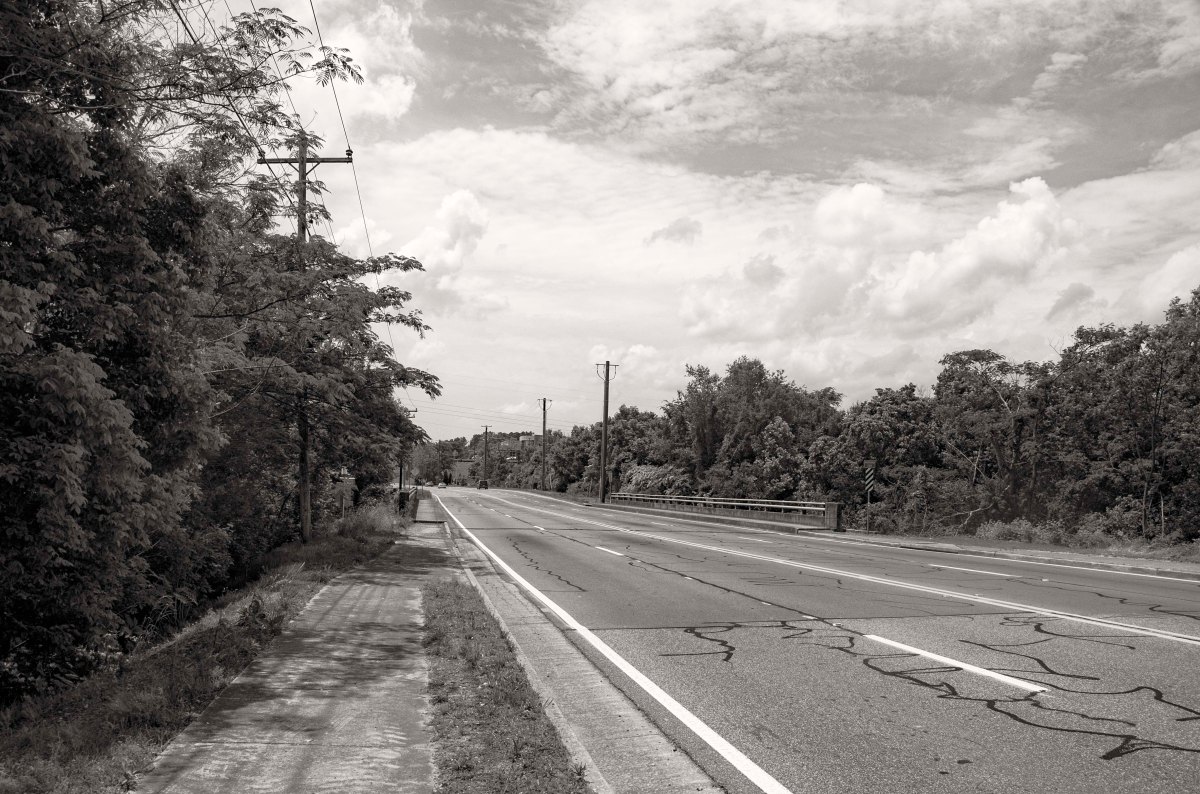
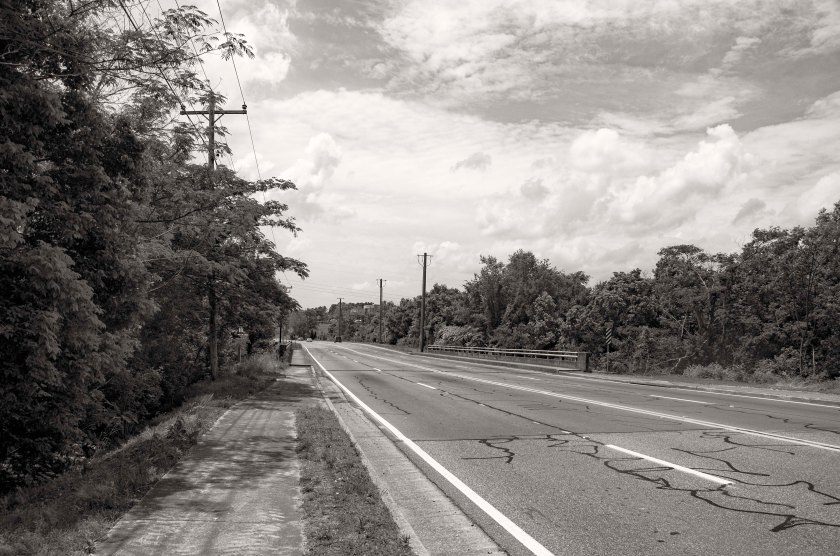
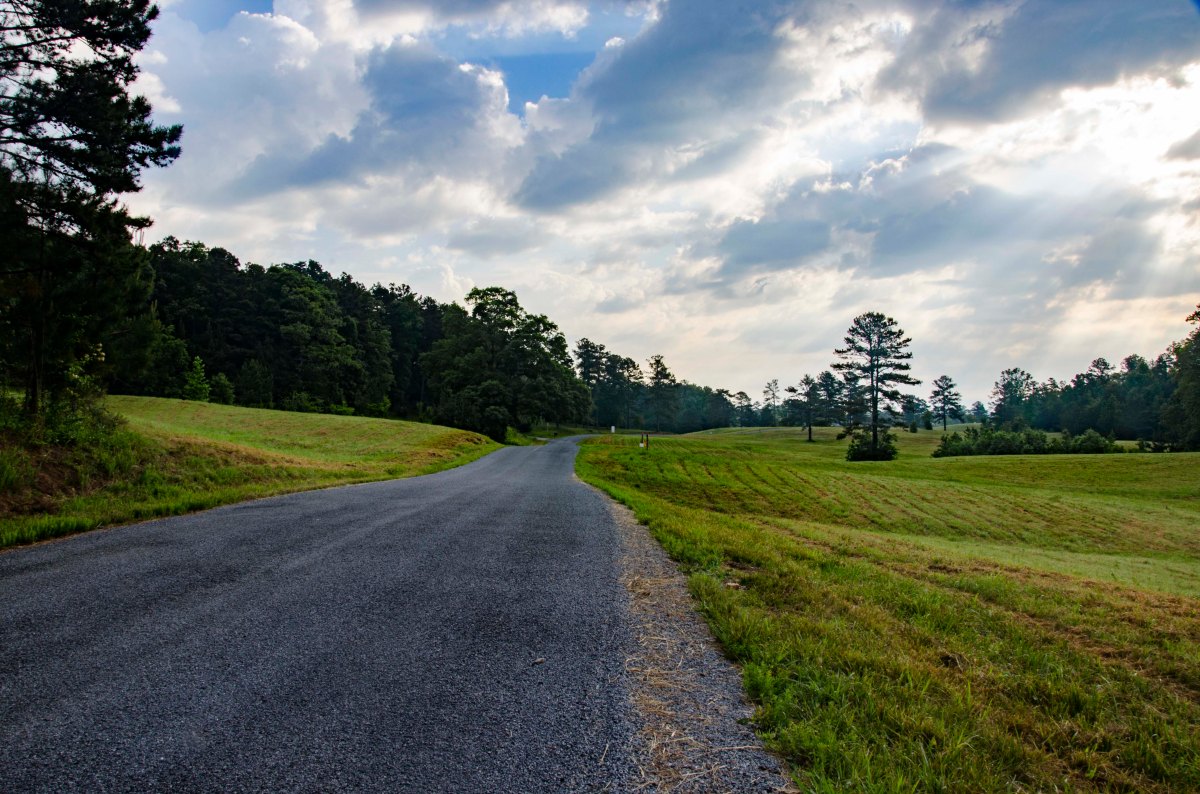
Hardee’s Corp established their line along the left side of the road. This image shows the bridge over the creek that anchored the right of Hardee’s line, which moved west along the road.
May 15th, 1864, the Battle of Resaca rages on and General Sherman attempts to out flank the Confederate Army. Sherman has General McPherson hold the position he gained on the day before at the mouth of Camp Creek at the Oostanaula River. He then orders Sweeny’s 2nd Division, who is reenforced by Kilpatrick’s Cavalry Division, to attempt a crossing of the Oostanaula River further south at Lay’s Ferry. Sherman ordered the units on the west side of Camp Creek to hold their lines and ordered Hooker’s and Howard’s Corps, on the north of Resaca, to attack the Confederate lines.
Along the norther Confederate line, Stevenson Division was in place and Capt. Maxillian Van Den Corput’s battery, the Cherokee Georgia Battery, was in place in advance of the main line in an effort to catch the attacking Federals in enfilading fire. The battery consisted of four 12 pounder Napoleon guns. This became a hotly contested part of the line. On the night of the 14th, General Johnston learned that Sweeny had withdrawn from Lay’s Ferry and was not able to cross the river. He then ordered General Hood to attack the norther part of the Federal line. This was around 4:00pm, General Hood ordered Stevenson and Stewart to attack, but by this time in the afternoon Stevenson was already under attack by Hooker’s Corp. After the attack had begun, General Johnston was informed that Sweeny was attempting to cross at Lay’s Ferry again. Johnston, fearing that railroad near Calhoun would taken by the Federal troops and his supply line compromised, ordered Hood to cancel the attack. It was too late and Stevenson was already heavily engaged and suffered significant losses. One of the major losses was Van Den Corput’s battery, the artillery men were forced from their works back to the main Confederate Line. The area around the battery became a no man’s land. During the night, Union soldiers were able to capture the Confederate cannons by digging through the earth berm in front of them and dismantling them and with the aid of ropes, dragged them back the Union lines.
After learning of Sweeny’s crossing and the threat to his supply line, Johnston ordered a retreat from Resaca.
Hood’s line was positioned on the ridge line to the left of the frame and extended just beyond the horizon where it took a 90 degree turn to the east and crossed the railroad. Four of my 4th Great Uncles were there and were heavily engaged in battle with the Federals. One of them was wounded and lose the use of his arm and was discharged from service.Looking east, Hood’s line would follow the ridge to the right of the frame to join with Hardee’s line.Hwy 136 looking south into Camp Creek Valley toward the Oostanaula RiverFrom Hwy 136 Looking North up the Camp Creek Valley. I-75 is about 150 yards to the right and cuts right through the heart of the battlefield. The center of Resaca is about a mile to the right.From Hwy 136 at Camp Creek. Looking east toward the Confederate lines and Resaca.Reconstruction of a common anti personnel barrier used during the war called a Cheval de frise.Camp Creek and its valley. The federal lines would have been to the left of the frame and along the ridge line. Camp Creek, which had to be crossed by the Federals when they attacked the Confederate lines.West of Resaca and East of Snake Creek Gap. This would have been the rear of the Federal lines and the main line would have been on the ridge to the right.Looking North up Camp Creek Valley. The Federal Lines to the left and the Confederates to the right.Looking south along Camp Creek. Confederate earthworks are on the just beyond the creek.
May 14th, 1864 was the first day of the Battle of Resaca. This was the first large scale battle in the campaign. There were approximately 160,000 troops engaged over a two day period. Union casualties were around 3560 and Confederate casualties numbered around 2600.
General Hood attacks the Federal line north of Resaca and pushes them out of their lines and back about a mile. The 5th Indiana Battery shows up just in time and is able to support the retreating Federals, causing Hood to return to his lines and allowing the Union troops to retake their lines. There was fighting along the entire four mile long front.
Enter a caption
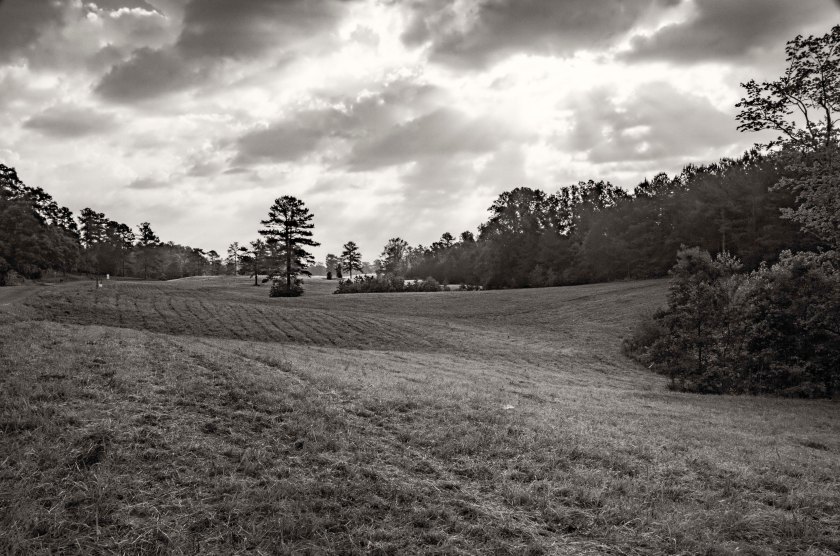
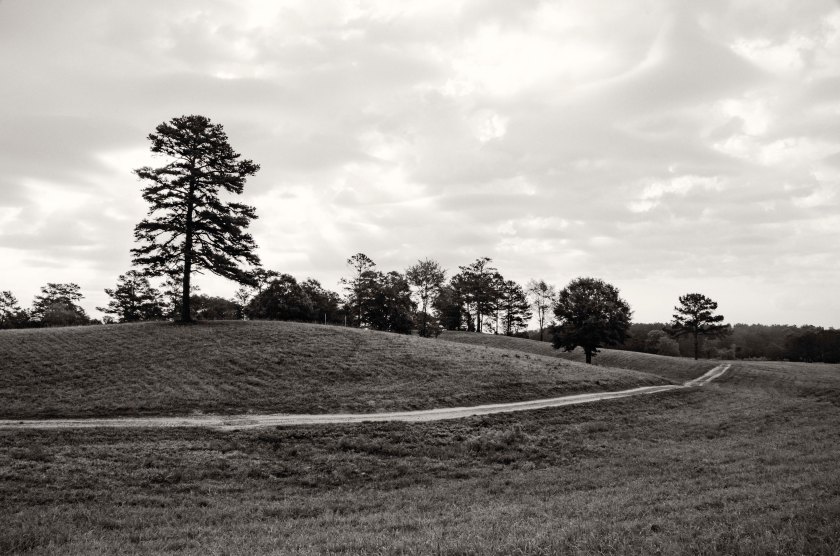
The Confederate line would have been on the ridge to the left and the field would be the rear of their lines. This is where Hood’s Corps was positioned to the north of Resaca.
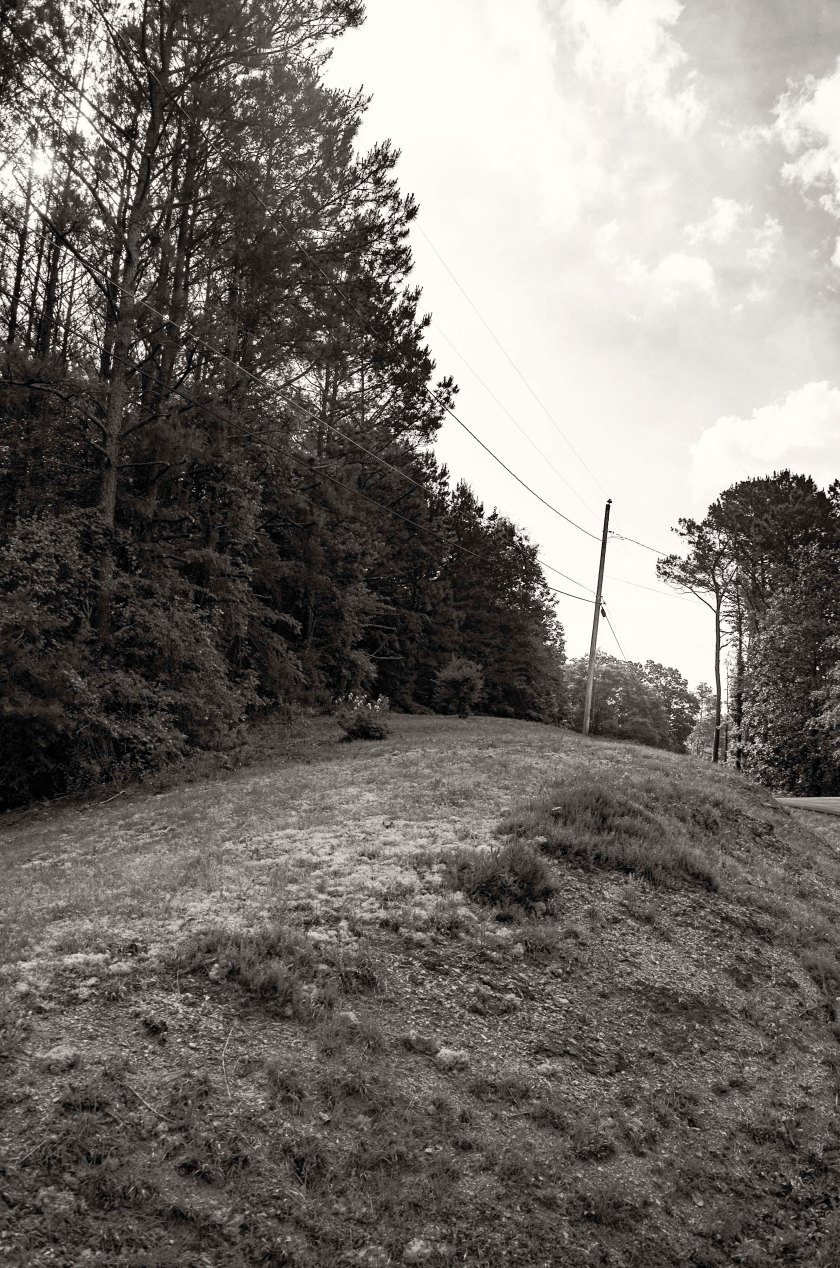
Looking towards the the railroad which is just beyond the hill. Hood’s Line meet the Railroad and extended west to meet Hardee’s line that turned south.The railroad is just beyond the hill. This part of the original battlefield is used for the annual reenactment and has also been used for several educational films that depict the battle.This hill top is part of a ridge line north of Resaca that Hood’s Corps formed their line on. To the right side of the frame, West, Hood’s line connected with Hardee’s line which turned south to join Polk’s Corp which terminated at the Oostanaula River.
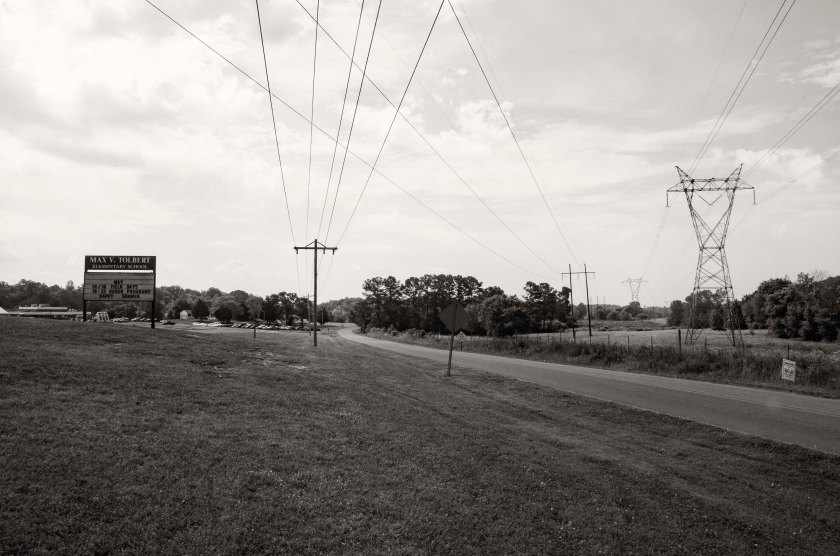
Nance Springs. Looking south toward the rear of the Federal lines. The lines were about 200 yards from this intersection and to the south.This elementary school now sits where General McPherson established his lines after advancing from Snake Creek Gap.
May 13th, 1864: All the troops are in motion. Union Troops are moving toward Resaca via Snake Creek Gap. Confederate Soldiers have abandoned Dalton and started moving south. Union Soldiers move into Dalton and find it empty and that the railroad is intact. They begin to turn Dalton into a supply base and other Union troops begin to move south in pursuit of the Southerners. Wheeler’s Cavalry fights a rear guard action against Union troops that are in pursuit of the Confederates near Tilton. By the afternoon of the 13th, most of the Confederate Army is massed around Resaca and has dug in. Sherman realizes the he will not be able to get between the Confederate Army and Resaca and orders the Union Army to dig in with a line of works paralleling the Southerners works. Skirmishing takes place at various points along the line. All the pieces are almost in place for the first large scale engagement of the Campaign.
May 12th, 1864: General Johnston begins to realize that General Sherman’s Objective is either Resaca or Calhoun. Johnston begins the retrograde movement from Dalton, by ordering the wagon trains to start heading to Resaca. He orders the infantry to move out after dark and has his Cavalry dismount and take their place. The will then cover the retreat and protect the rear of the Confederate Army.
During the morning of the 12th, a large portion of the Union Army begin their flanking movement of Dalton and follow McPherson’s route to Snake Creek Gap. Due to a thunderstorm and heavy rain the night before, the Union Army progresses slowly. The roads are choked with wagons bogged down in the mud and infantry slogging through the quagmire. This slows the Federals and allows the Confederate Army more time to reach Resaca and being digging in. During the afternoon of the 12th, General Sherman arrives at Snake Creek Gap. Upon meeting General McPherson, for the first time since his failure to take Resaca or destroy the railroad around Resaca and cut off the Confederate life line, he says “Well, Mac, you have missed the opportunity of a lifetime”. An officer standing near by said these were spoken “not ungraciously”, but General McPherson realizes it is a deserved comment for his failure.
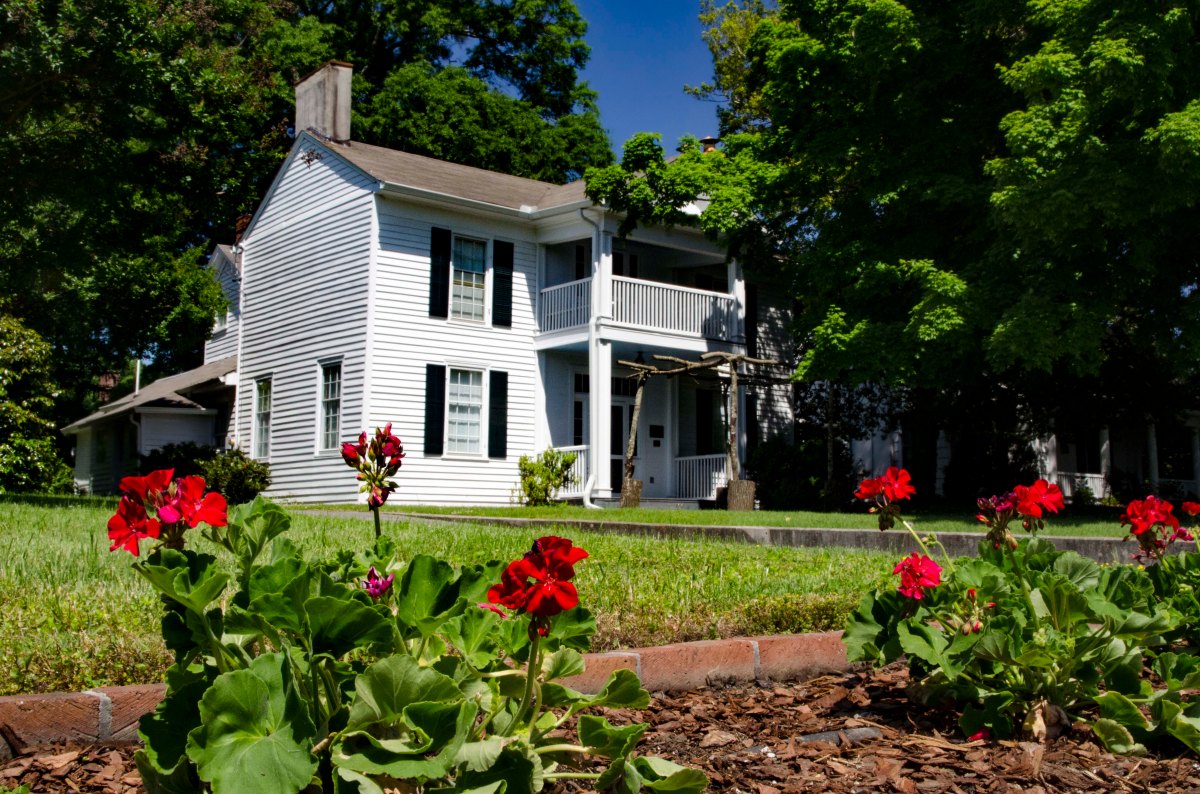
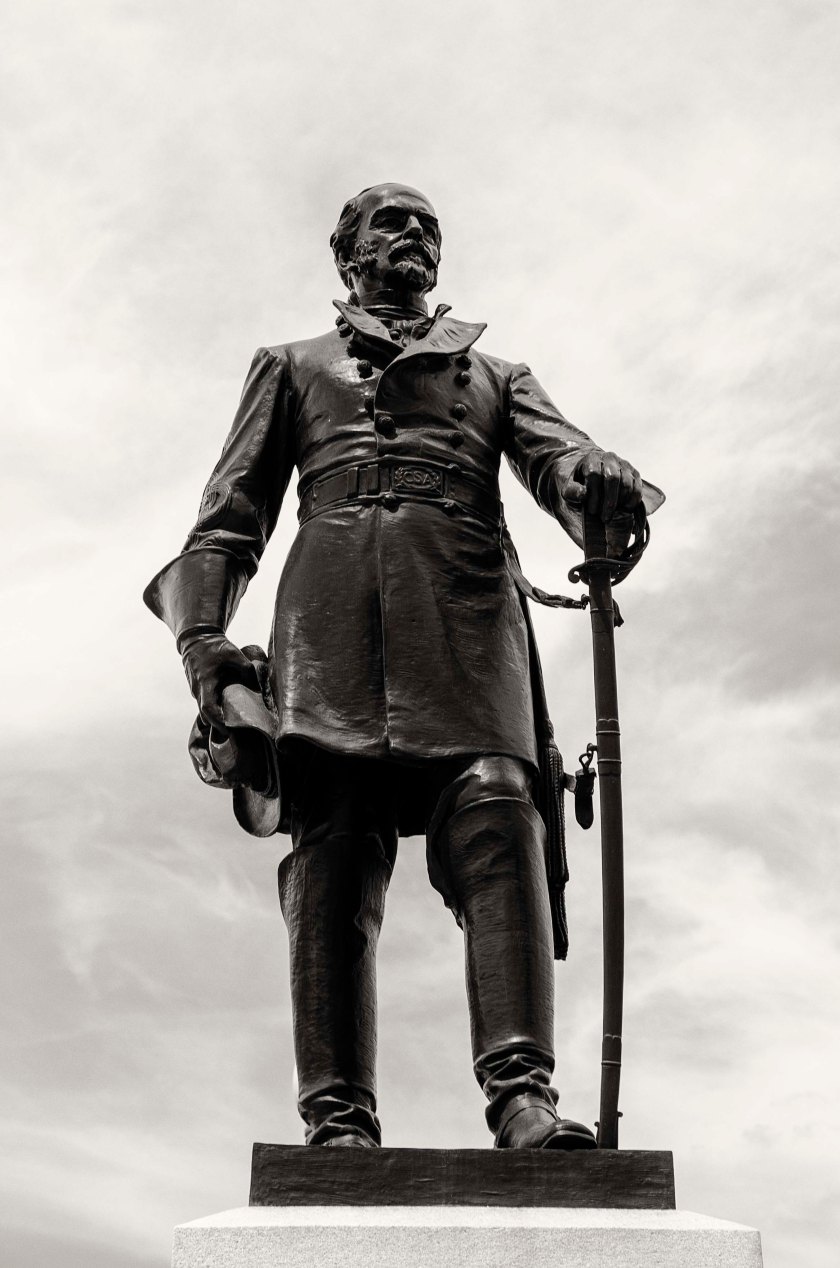
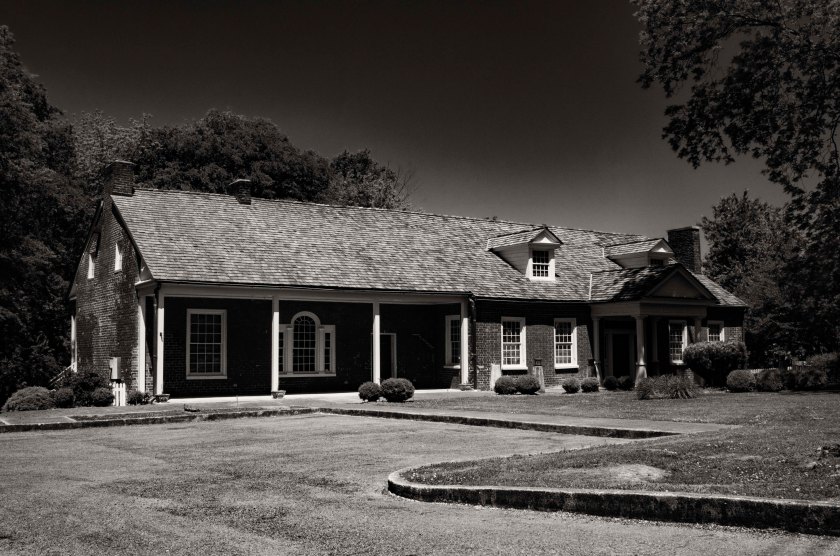
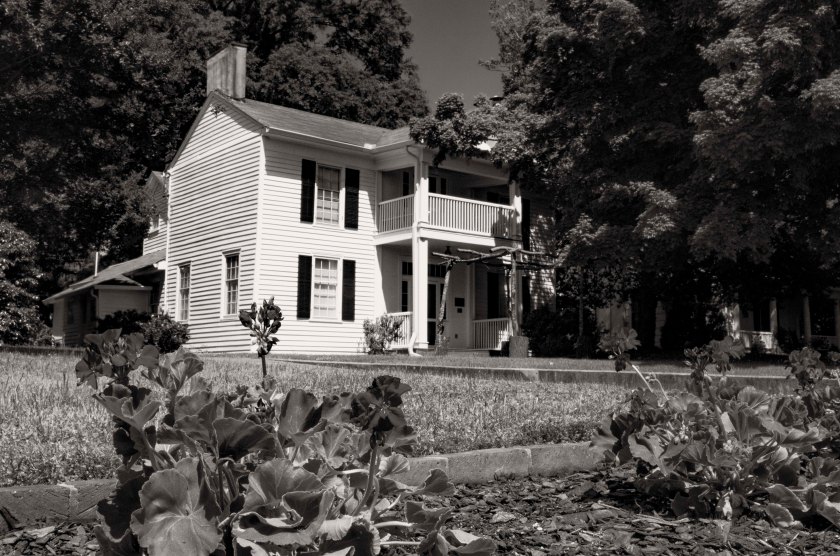
The Huff House. This home served as Confederate General Joseph E. Johnston’s headquarters during his time in Dalton from the winter of 1863 until the middle of May, 1864.Statue of General Joseph E. Johnston in downtown Dalton.Hamilton House was the headquarters of Brig. General J.H. Lewis, commander of the famous Kentucky “Orphan Brigade”, during the winter of 1863 up until their with drawl towards Resaca in May of 1864The Blunt House. After the Confederate retreat from Dalton, Union forces occupied Dalton for the remainder of the war and this home was used as a hospital by Union forces for the duration.
May 11th, 1864, General Johnston receives word in the early morning that the Union Army is massing for an attack on Resaca via Snake Creek Gap. He telegraphs General Polk, who is Rome on his way form Louisiana to Dalton, and directs him to Resaca to assume command and re-enforce the troops already there. He then sends General Hood from Dalton to Resaca and has General Cleburne prepare to move from Dug Gap to Resaca. He then directs General Cheatham to prepare to withdraw from Rocky Face Ridge and replace Clerburne at Dug Gap. Upon arrival at Resaca, General Hood finds that there is no attack imminent and there are no Federal troops within four miles of Resaca. He Telegraphs General Johnston and informs him of such. All the previous troop movements toward Resaca are put on hold.
Union observers, on the Northern part of Rocky Face Ridge, have seen part of Cheatham’s Corp start to move away from the lines at Buzzards Roost. Sherman is notified and he immediately orders the line at Buzzards Roost probed. There are enough Southern Soldiers still in the lines to repulse the attempted Reconnaissance by Force. The Union troops go to ground and must wait until nightfall to pull back. Sherman informs McPherson that he will be at Snake Creek Gap in the morning and that he is planning to have the majority of the Army follow his route to and through Snake Creek Gap. Sherman orders McPherson to strengthen his defenses in the gap. Sherman also orders Schofield’s troops to begin pulling back from Crow Creek Valley.
General Polk arrives in Resaca and with General Hood, they observe the deployment of troops and assess the situation. In the evening they go to Dalton by train to meet with General Johnston and make plans for the retreat from Dalton and the defense of Resaca. General Polk overnights with General Hood at Hood’s headquarters. General Polk, who is also the Episcopal Diocese of Louisiana, baptizes General Hood.
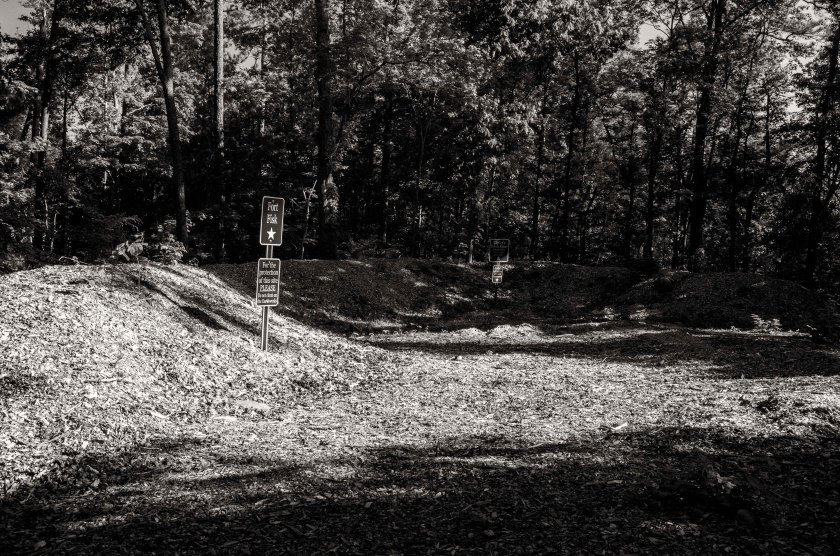
Fort Fisk on part way up the ridge of Buzzard’s Roost from Mill Creek Gap. Not really a fort, but it was a formidable artillery emplacement.
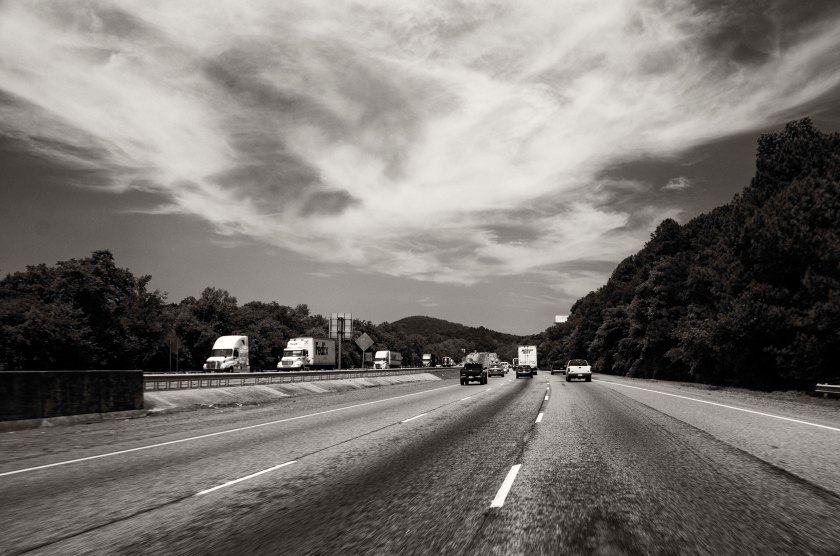
Looking north west from a hill in Dalton across I-75 towards Mill Creek GapI-75 North as it moves through Mill Creek GapU.S. 41 south as it moves towards Mill Creek GapThe Railroad through Mill Creek Gap. The Railroad was the lifeblood of both the Union and Confederate Armies.
General McPherson and The Army of the Tennessee, reached Snake Creek Gap on May 9th, thus setting up a flanking movement in an attempt to attack the Confederate rear and stop their retreat from Dalton. General Sherman had hoped that General Johnston would turn the Confederate Army away from Dalton to attack McPherson and if General Geary had successfully taken Dug Gap he would have been in a position to hit General Johnston’s flank and the remainder of the Union Army could attack the Confederate rear. What Sherman wanted and what he got, are two different things. Upon reaching Snake Creek Gap, McPherson was ordered to attack the Confederates holding the town of Resaca.
McPherson sent his skirmishers through the gap and saw a considerable and extensive line of earth works between the gap and Resaca. He also saw Confederate troops and over estimated their numbers. He pulled back and did not push the attack. General Sherman was furious at the lost opportunity to decimate the Confederate Army and possibly end the campaign there and push on to Atlanta with out much of a fight. Had McPherson attacked, he would only have found a fairly small number of Confederate troops protecting Resaca, some of which were cadets from the Georgia Military Academy in Marietta. His hesitation allowed enough time for the Confederate Army to send reinforcements to Resaca.
Also on May 9th, General Sherman ordered General Schofield’s, Army of the Ohio, to attack the Confederate line in Crow Creek Valley, just north of Dalton. The Southern soldiers put up a tough fight and repulsed multiple attempts by the Union Army to take their position. Rowan’s Ga. Battery was positioned on Potato Hill and the remnants of the Battery and Infantry works are still visible today. It has been turned into a small park with a trail up the hill to the works. Here is a link for an article about the new parks. Dalton Daily Citizen
Looking north toward the Union line. This location is about 150 yards north of the Confederate line. Perhaps there were Confederate pickets in this area.The Confederate line, looking north east. Much of the area has been farmed and developed and few if any remnants of earthworks remain along this line in Crow Creek Valley.Looking from the approximate location of Van Den Corput’s Battery near Poplar Springs Church, toward Potato Hill where Rowan’s Battery was located. Infantry Trenches of the Confederate line on Potato HillRemnants of Rowan’s Battery located on Potato Hill.Enter a caption
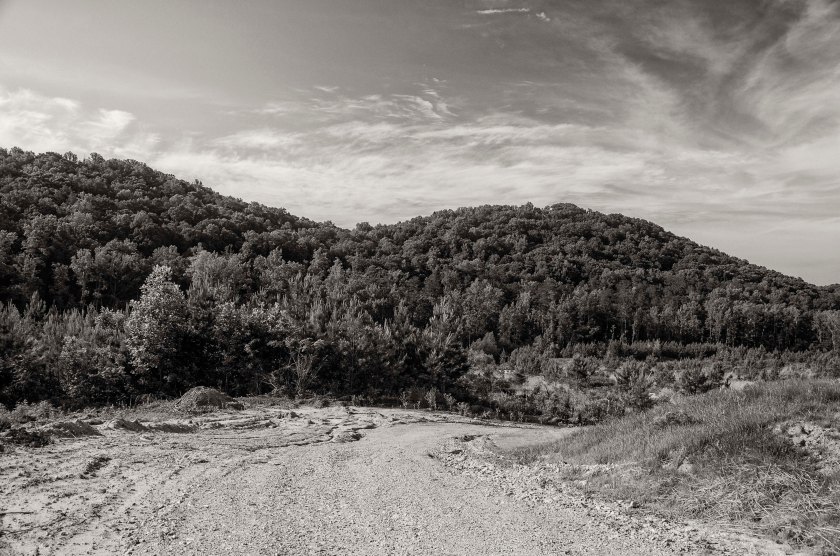
Snake Creek Gap, where McPherson’s Army of the Tennessee passed through in an attempt to attack the rear of the Confederates lines at Resaca.
On May 8th, 1864 General Sherman sent General Geary’s 2nd Division of General Hookers XXth Corps. to Dug Gap. His intent was to have Geary’s 2nd Division create a diversion and prevent Confederate Scouts from descending the wagon road through Dug Gap and scouting westward for the movements of the Union Army. General Sherman did this to screen the movement of General McPherson’s Army of the Tennessee as they moved south on the western side of Rocky Face Ridge toward Snake Creek Gap. McPherson’s task was to attack the Confederate rear and block their retreat from Dalton. The battle at Dug Gap was a successful diversion and McPherson made it to Snake Creek Gap unseen by the Confederate Army.
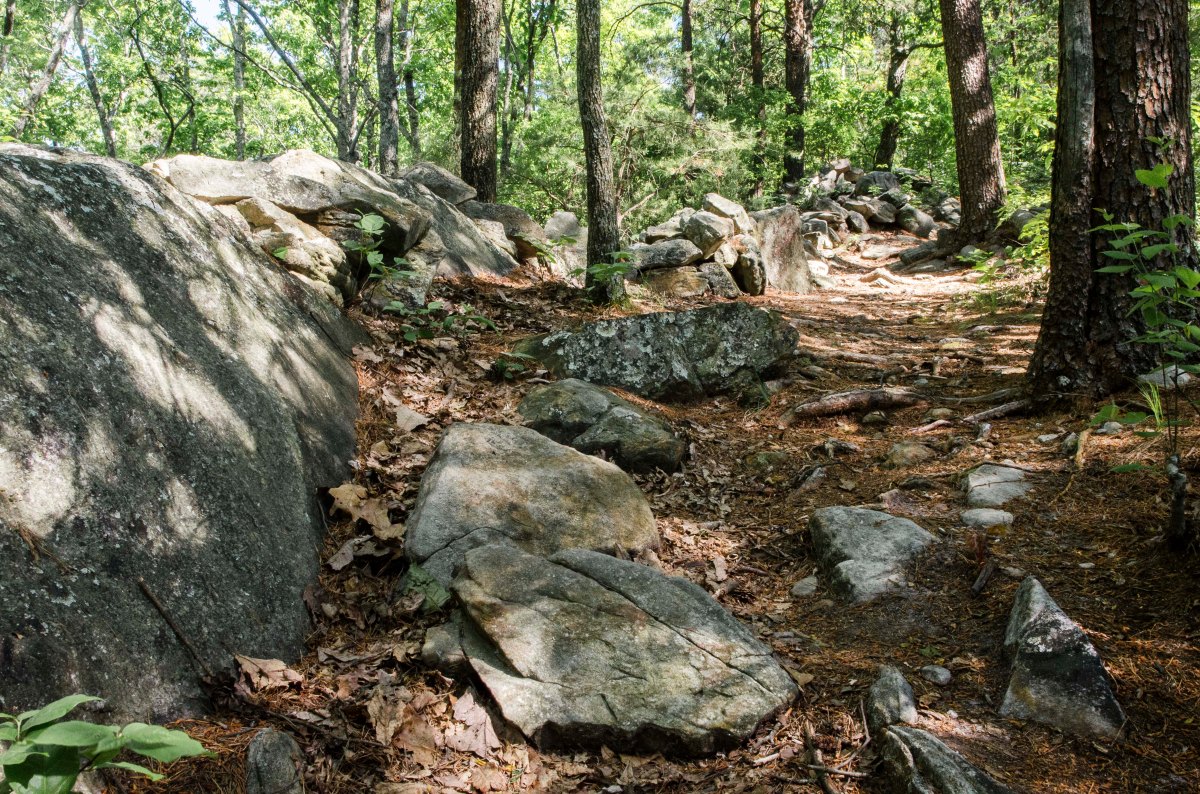
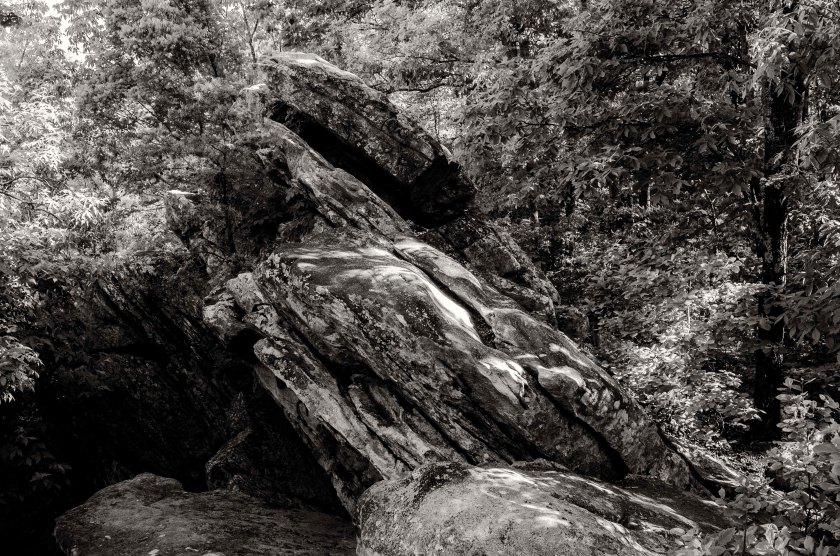
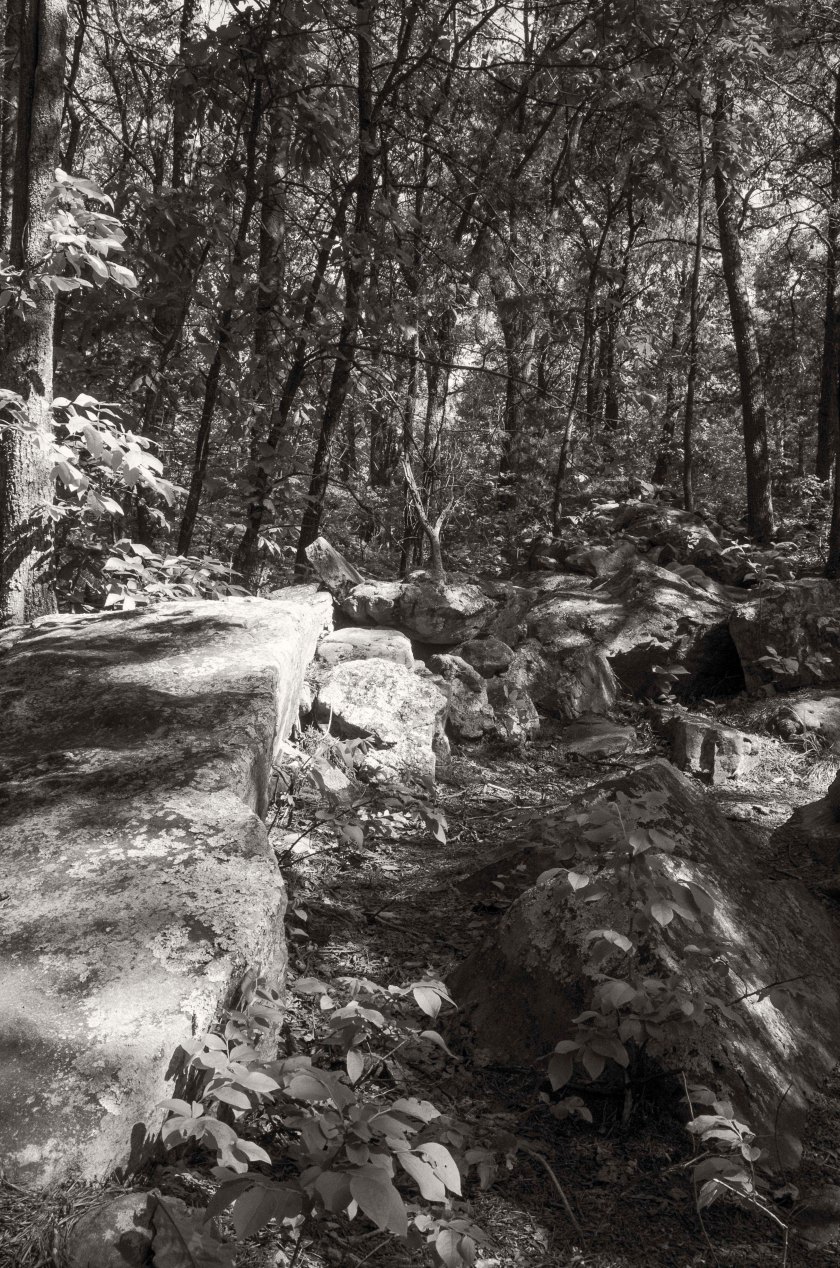
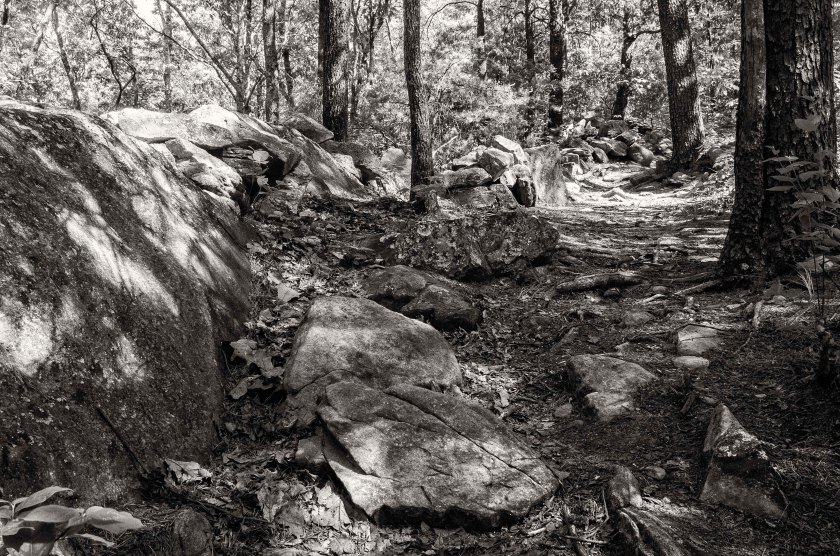
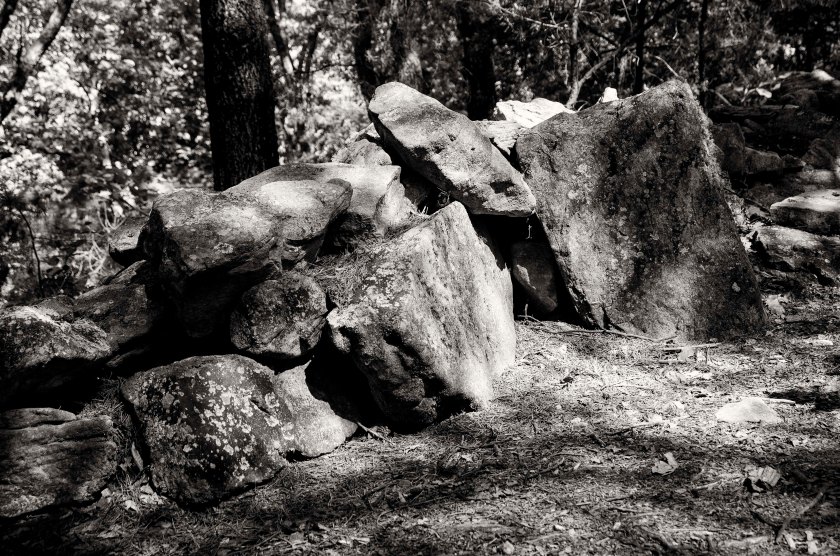
During the battle of Dug Gap the Confederates were outnumbered 10 to 1, but they held the high ground and used the natural rock formations of the ridge for cover and concealment. The Southern soldiers also constructed a stacked stone wall to use as cove in addition to the natural rock formations being used. About 1200′ of this wall still exist today. During the battle it was reported that the Southern soldiers were rolling large boulders down on the advancing Federal troops. The Federal troops were upset by this and called it a cowardly act and not “Fair Play”. The Confederate soldiers here were from the 1st and 2nd Arkansas and Breckenridge’s dismounted Cavalry. Geary’s 2nd Division suffered roughly 357 casualties to the Confederate’s 50.
Palmer’s XIV Corps of the Army of the Cumberland was also heavily engaged at Mill Creek Gap. This is where I-75, US 41 and the Rail Road move through Rocky Face Ridge. The Western and Atlantic Railroad went through here as well. Confederate engineers had previously flooded a portion of this area to prevent and slow the Federal advance. The attack here was also a diversionary tactic to draw attention away from General McPherson’s movement towards Resaca via Snake Creek Gap.
Natural rock formations used by the Confederates as cover during the Battle of Dug Gap.A long section of the stone wall continues up the ridge line.A section of the stone wall that has been less disturbed by visitors to the remote park.Stones placed on the wall by Confederates on May 8th, 1864.


















 War Was Here