General Johnston’s Army of Tennessee now occupies the River Line and they have the Chattahoochee River to their back and the Federals to their front. General Sherman is looking for another route across the river that would allow him to turn Johnston’s Flank and force him from the River Line. The images below are from the southern half of the river line.
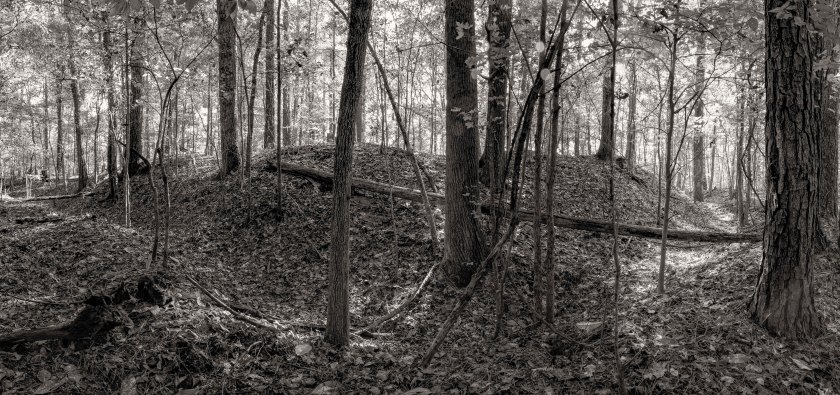
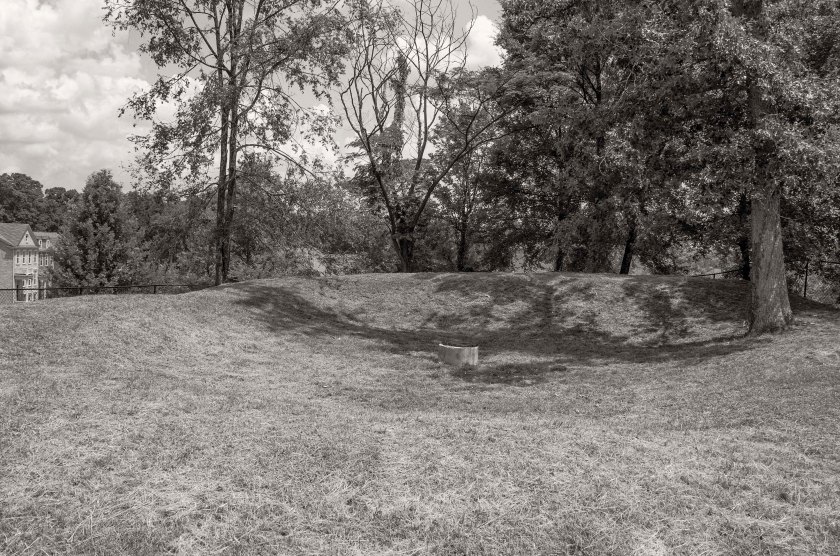
Remnants of a large artillery battery at the far south end of the River Line. General Hood’s forces held the is area which was the left of the Confederate line.A dead tree spans the remains of Confederate earthworks along the River Line.Several thousand feet of earthworks, including a Shoupade and large artillery battery are still in great condition and have survived the years of urban sprawl in Metro Atlanta.The inside of one of the Shoupades in what is known as the River Line Extension.Looking south on Oakdale road. They Confederate River Line followed the ridge line that Oakdale Road follows. In a few spots along the road you can still see remnants of Confederate works on the left as you drive south.Nickajack Creek and its valley separated the Confederate River Line from the Federal lines to the west.
In the early morning hours, General Johnston and the Army of Tennessee, retreat from the Smyrna Line and fell back to the last line of previously prepared fortifications before the Chattahoochee River. Known as the River Line, it was conceived and constructed by Brigadier General Francis Asbury Shoup, Chief of Artillery for the Army of Tennessee. The River Line had a new style of fortification in the line, they were called a Shoupade. They were diamond shaped forts built with two of the angles sticking out ahead of the line. The Shoupades were placed anywhere from 60 to 175 yards apart depending on the terrain and were connected by earthworks that intersected the Shoupade roughly in the center. The angled section in front of the line from two adjoining Shoupades, allowed for a crossfire on an advancing enemy. Each Shoupade could hold 80 soldiers shoulder to shoulder. They were also constructed to withstand an extended artillery barrage. The Confederates occupied this line until the night of July the 9th, when the retreated across the river.
These images are from the northern half of the river line. Tomorrow I will post images from the southern half of the river line.
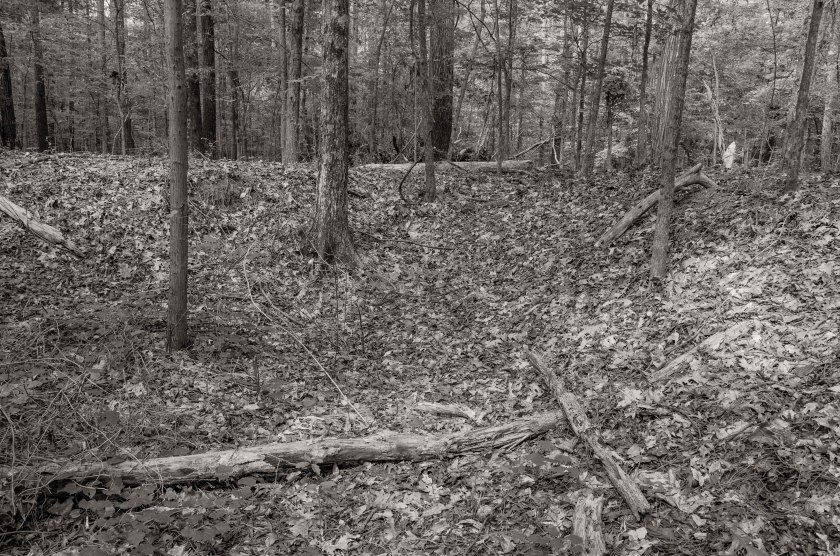
Looking at the inside of one of the best preserved of the remaining Shoupades. This one now sits hidden in the woods and covered with English Ivy just a stones through away from a major expressway.
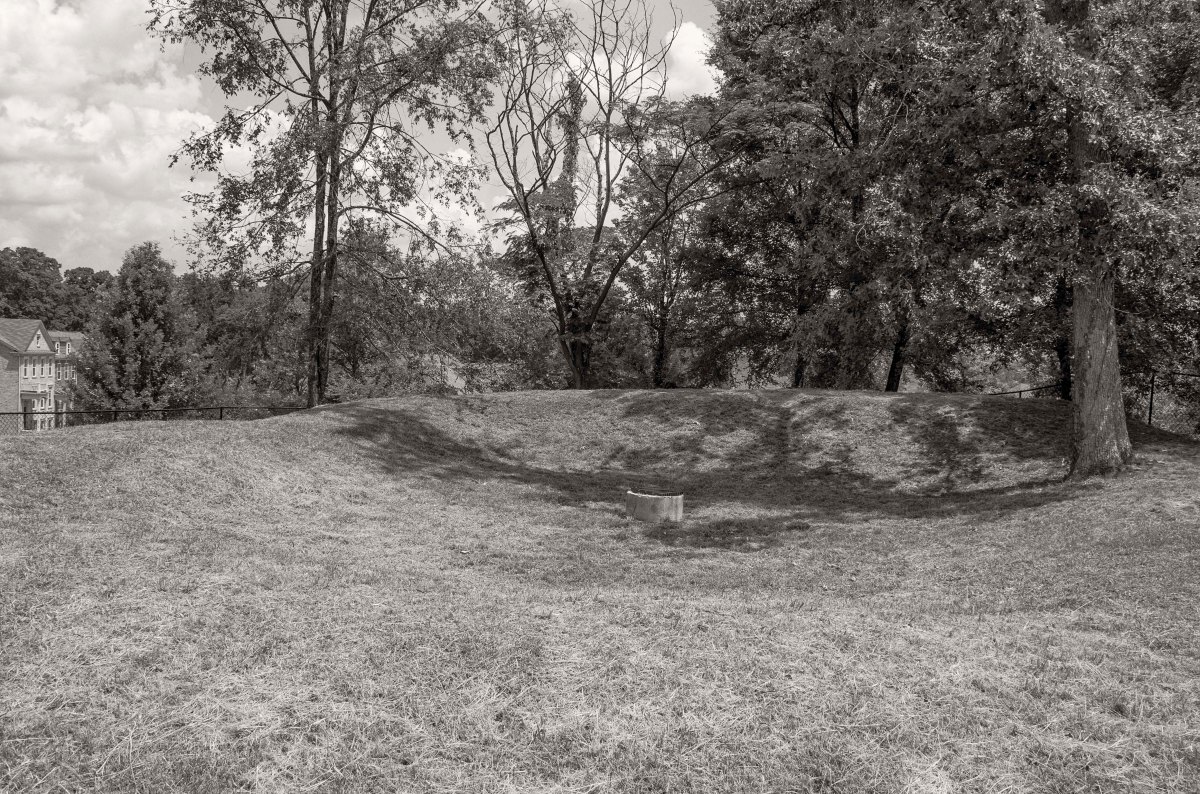
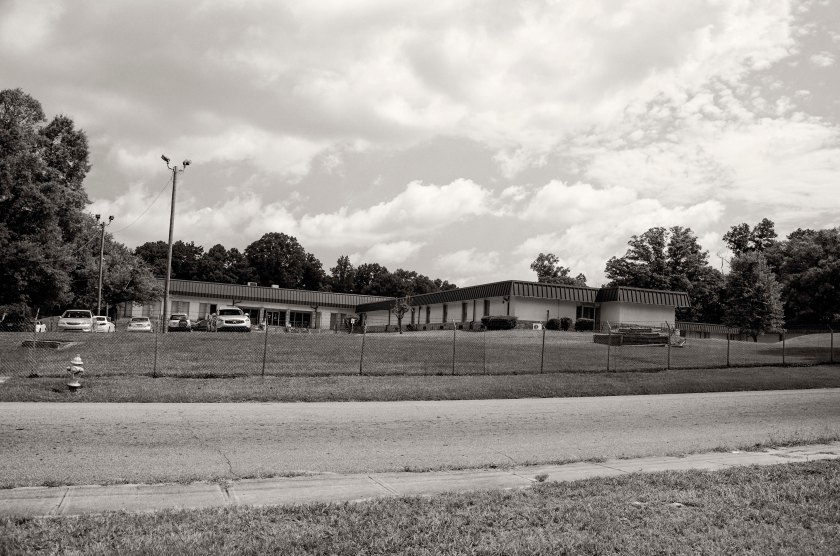
Shoupade Park, Cobb County. Remnants of one of two Shoupades in the park. There are also remnants of an artillery battery.The second Shoupade at Shoupade park fenced off and covered with brush, but you can still see its size and shape.A child’s tree house now stands guard over the remains of a large Confederate artillery battery located near the northern end of the River Line.The crossed the Atlanta Road at this point. Atlanta road, the road passing from the left to right of the image, is a period road that is still in use today.The Confederates River Line crossed the railroad tracks here along the high ground at this railroad cut.River Line Park, Cobb County. The remains of a Shoupade are fenced off and still visible and protected in this park with ball fields and walking trails.
July 5th, 1864 In the early morning hours, General Johnston and the Army of Tennessee, retreat from the Smyrna Line and fall back to the last line of previously prepared fortifications before the Chattahoochee River. Known as the River Line, it was conceived and constructed by Brigadier General Francis Asbury Shoup, Chief of Artillery for the Army of Tennessee. The River Line had a new style of fortification in the line, they were called a Shoupade. They were diamond shaped forts built with two of the angles sticking out ahead of the line. The Shoupades were placed anywhere from 60 to 175 yards apart depending on the terrain and were connected by earthworks that intersected the Shoupade roughly in the center. The angled section in front of the line from two adjoining Shoupades, allowed for a crossfire on an advancing enemy. Each Shoupade could hold 80 soldiers shoulder to shoulder. They were also constructed to withstand an extended artillery barrage. The Confederates occupied this line until the night of July the 9th, when the retreated across the river.







 War Was Here